
The Nature of Luck in Gambling
Luck is often described as a force that brings good fortune or success, and in the context of casinos, it plays a pivotal role. Many games, such as slots, roulette, and blackjack, inherently depend on chance, where the outcome is unpredictable and can change with each play. This unpredictability creates an atmosphere of excitement and anticipation as players place their bets, hoping that fortune will favor them. For instance, those looking for a unique gaming experience might consider exploring a 10 dollar neosurf casino where the thrill of not knowing whether a spin or a hand will yield a win is what draws many gamblers into the casino environment.
However, the concept of luck extends beyond just the randomness of games. It intertwines with the emotions experienced during play. When a player experiences a fortunate outcome, such as hitting a jackpot or winning a significant hand, it can lead to a surge in adrenaline and excitement. This emotional high can often encourage players to continue gambling, as they chase that rush. In this way, luck not only influences the outcome of games but also significantly affects player behavior and decision-making.
Furthermore, luck is deeply ingrained in casino culture. Many players hold onto superstitions and rituals in hopes of attracting luck. From wearing lucky charms to avoiding certain numbers, gamblers often believe that their actions can influence their fortunes. This belief in luck adds an element of mystique to the gambling experience, combining chance with personal rituals, which enhances the overall allure of casinos.
The Role of Probability in Casino Games
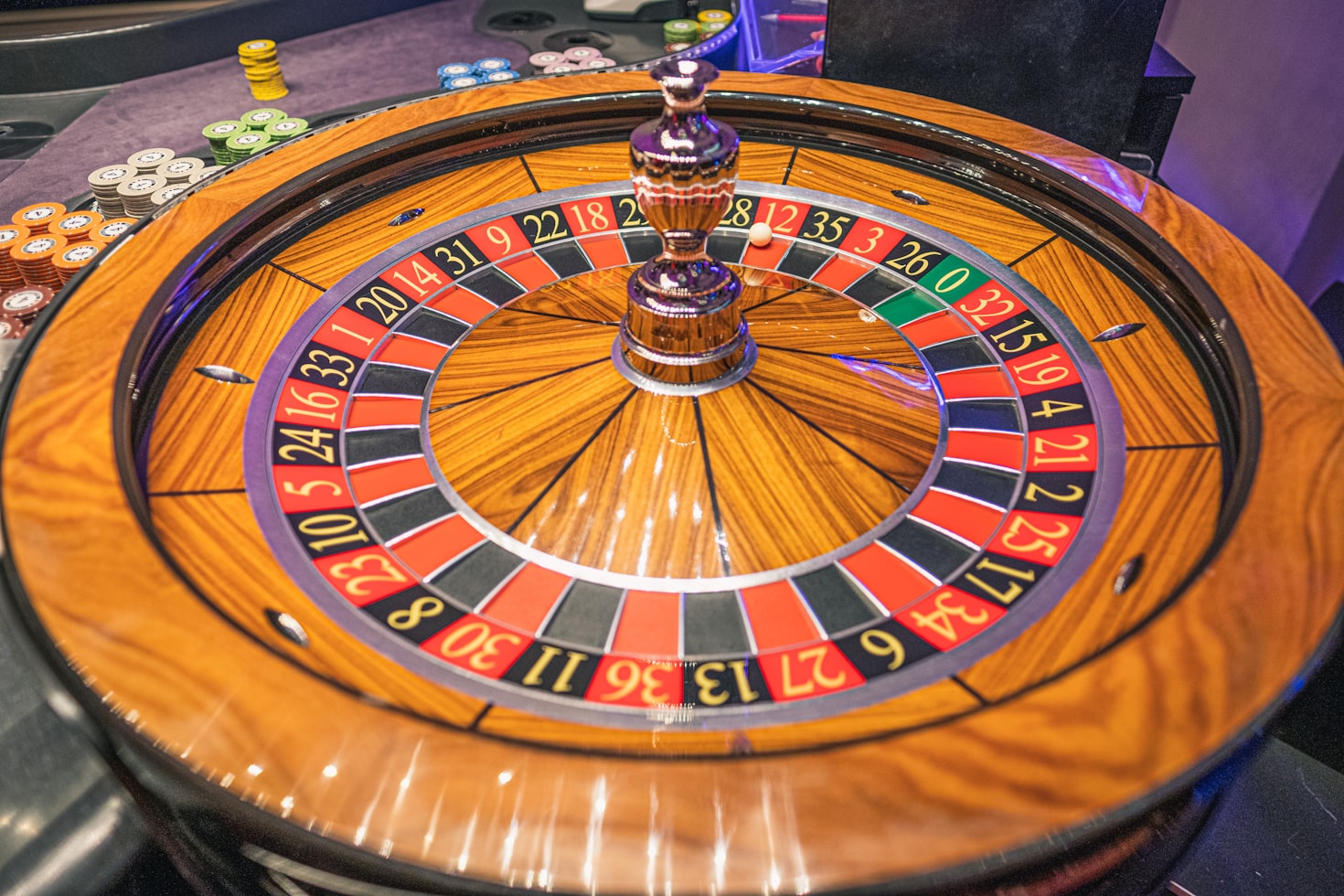
While luck plays a crucial role in casinos, it is essential to understand it alongside the concept of probability. Each casino game operates on a set of rules that define the odds of winning or losing. For example, in a game of roulette, the ball landing on a particular number has specific probabilistic outcomes—players may feel lucky betting on certain numbers, but mathematically, the house maintains an edge. Understanding these probabilities can inform players’ strategies and enhance their gaming experiences by marrying luck with informed decisions.
In many games, the probabilities are designed to ensure the casino’s profitability over time, which is often referred to as the „house edge.” This edge means that, on average, the casino will win more than it loses. However, luck can sometimes create anomalies where players win big against these odds. This interaction between luck and probability is what makes the casino environment both thrilling and daunting, as it reminds players that while luck can lead to wins, the odds are ultimately stacked in favor of the house.
For players, grasping the balance between luck and probability can also lead to more responsible gambling. By understanding that outcomes are not purely reliant on luck, players may be less inclined to chase losses or engage in reckless betting. This awareness can promote a healthier relationship with gambling, where enjoyment is derived from the gaming experience itself rather than solely from winning or losing.
The Impact of Luck on Player Experience
The influence of luck in casinos cannot be overstated when it comes to shaping the player experience. Winners often bask in the glory of their fortune, sharing stories of remarkable wins that become part of the casino’s lore. This sense of community among players enhances the social aspect of gambling, creating bonds over shared experiences of luck. Conversely, players who experience loss may find themselves discussing near-misses or bad beats, which can also become a point of connection among gamblers.
Moreover, the stories of luck often serve as marketing tools for casinos. Promotional campaigns frequently spotlight lucky players who have won life-changing sums, as these narratives attract new gamblers hoping for their own share of fortune. By showcasing winners, casinos create an environment where the idea of luck is celebrated and perpetuated, further driving the desire for people to participate in games, even knowing the odds might not be in their favor.
For many, the allure of casinos lies in their ability to provide escapism through the chance to strike it rich unexpectedly. This thrill is amplified by the unpredictability of luck, making each visit a potential adventure. As players step inside a casino, they are not just engaging in games; they are immersing themselves in an environment fueled by stories of luck, hope, and the dreams of hitting it big.
The Psychology of Playing with Luck
The psychology behind gambling is complex, with luck playing a significant role in shaping player behavior. Cognitive biases, such as the illusion of control, often lead gamblers to believe they can influence their luck through specific actions or strategies. This psychological phenomenon can lead to players engaging in superstitious behaviors that they think will sway luck in their favor, even when the games are based entirely on chance.
Additionally, the concept of luck can affect how players perceive their losses and wins. When a player wins, it may reinforce their belief in personal luck, leading them to continue playing with renewed vigor. Conversely, repeated losses may lead to feelings of frustration or self-blame, impacting their overall enjoyment of the experience. Understanding these psychological underpinnings can provide insight into why players behave the way they do in casinos, often chasing wins while hoping that luck will eventually turn in their favor.
In understanding the psychological aspect of luck, casinos can create more engaging environments that cater to player experiences. From designing games that evoke feelings of chance to crafting narratives around lucky winners, casinos can enhance the thrill associated with gambling. Moreover, recognizing the psychological aspects of luck can also help players become more aware of their own behaviors and cognitive biases, leading to a more balanced approach to gambling.
The Future of Luck in Casino Gaming
As technology continues to evolve, the world of casinos is also witnessing changes in how luck is perceived and experienced. With the advent of online casinos and live dealer games, players can now engage with games from the comfort of their own homes, while still enjoying the chance elements that fuel their excitement. Innovations such as random number generators ensure that luck remains a crucial factor, maintaining the unpredictability that players crave in their gaming experiences.
Moreover, the integration of gamified elements and interactive features in online platforms may enhance the perception of luck among players. These advancements allow for more immersive experiences, where players can feel more connected to the outcomes of their games. As the digital landscape evolves, the concept of luck will likely continue to adapt, blending traditional elements of chance with modern technology to create unique gambling experiences.
Finally, as society’s perspective on gambling evolves, the conversation around luck will also change. Increased focus on responsible gambling initiatives and awareness of the psychological impacts of gambling may lead to a shift in how players view luck. The future may hold a greater emphasis on the enjoyment of the experience itself, rather than solely pursuing the luck needed for financial gain, creating a healthier balance in the world of casinos.
Najnowsze komentarze